
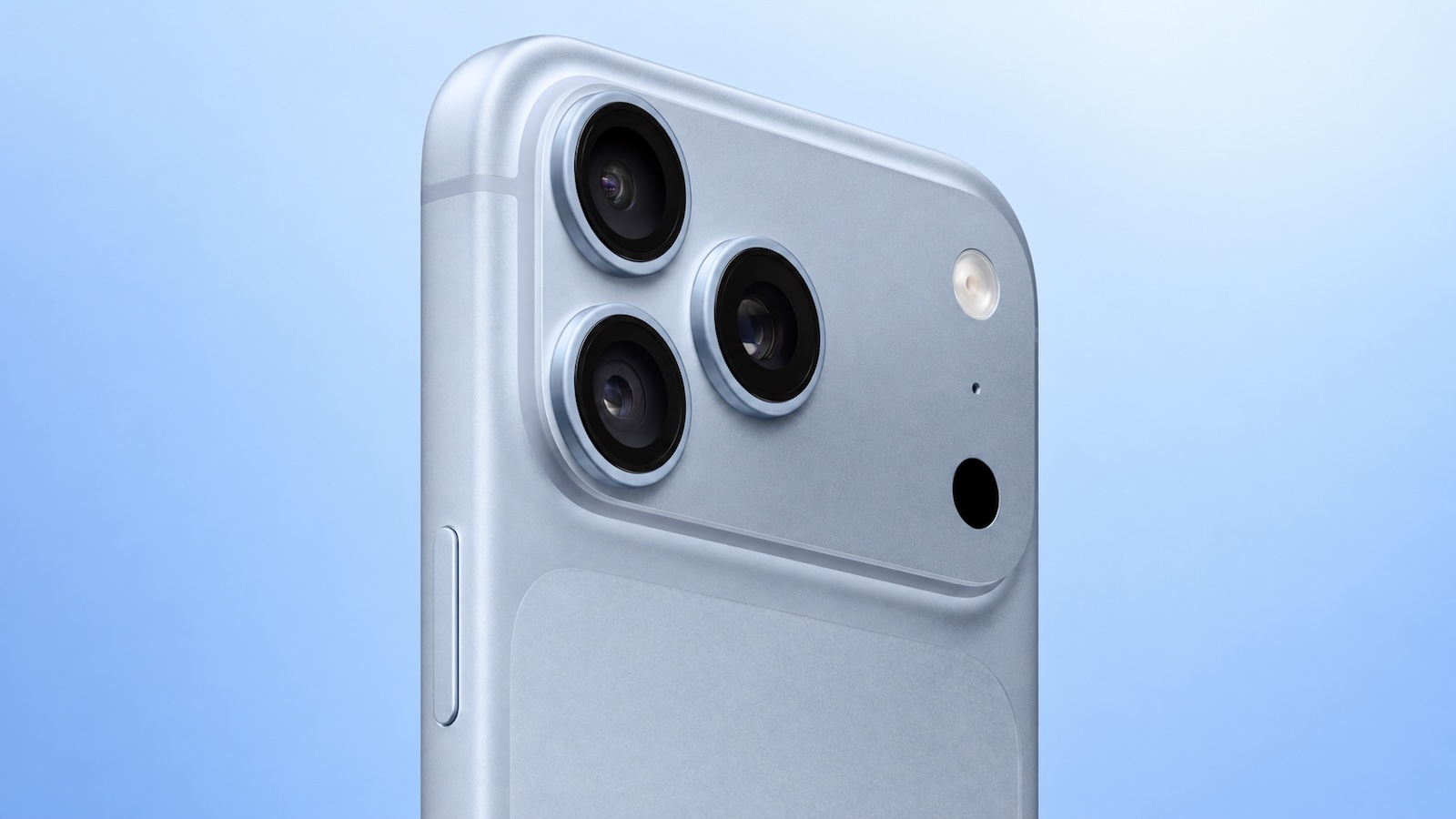
Modern stacked camera sensors separate their light-sensitive pixels from the logic circuitry responsible for reading out and processing image data. A more advanced manufacturing process for the logic layer could potentially enable faster readout speeds, improved power efficiency, and more sophisticated image processing.
The leaker provided no further details about the sensor, which would reportedly debut in Apple’s 20th-anniversary iPhone in 2027. Apple is expected to skip the “iPhone 19” moniker next year, just like it did with the iPhone 9 prior to the release of the iPhone X in 2007 to celebrate the 10th anniversary of the original iPhone.
Interestingly, Samsung has already been developing a 17nm Low Power Value (17LPV) process specifically for CMOS image sensor signal processing circuitry, according to a 2024 Omdia report.
Apple is also working with Samsung to produce advanced image sensors at its Austin, Texas facility. Previous reports suggest the partnership involves a three-layer stacked sensor design, but there’s currently no clear link between that project and the claimed 17nm component.
Separately, Apple is rumored to be developing its own image sensor incorporating LOFIC technology, which could substantially improve dynamic range and preserve more detail in highlights and shadows. Again though, it’s not clear whether the latest claim relates to that sensor.
Apple is rumoured to be a developing a radical new design for its second commemorative iPhone, featuring a new quad-curved OLED display that wraps around the edges of the device, and a screen with potentially no cutouts at all. Apple is expected to debut the device in or around September 2027.
This article, “iPhone 20 Pro Rumored to Feature New 17nm Camera Sensor” first appeared on MacRumors.com
Discuss this article in our forums