
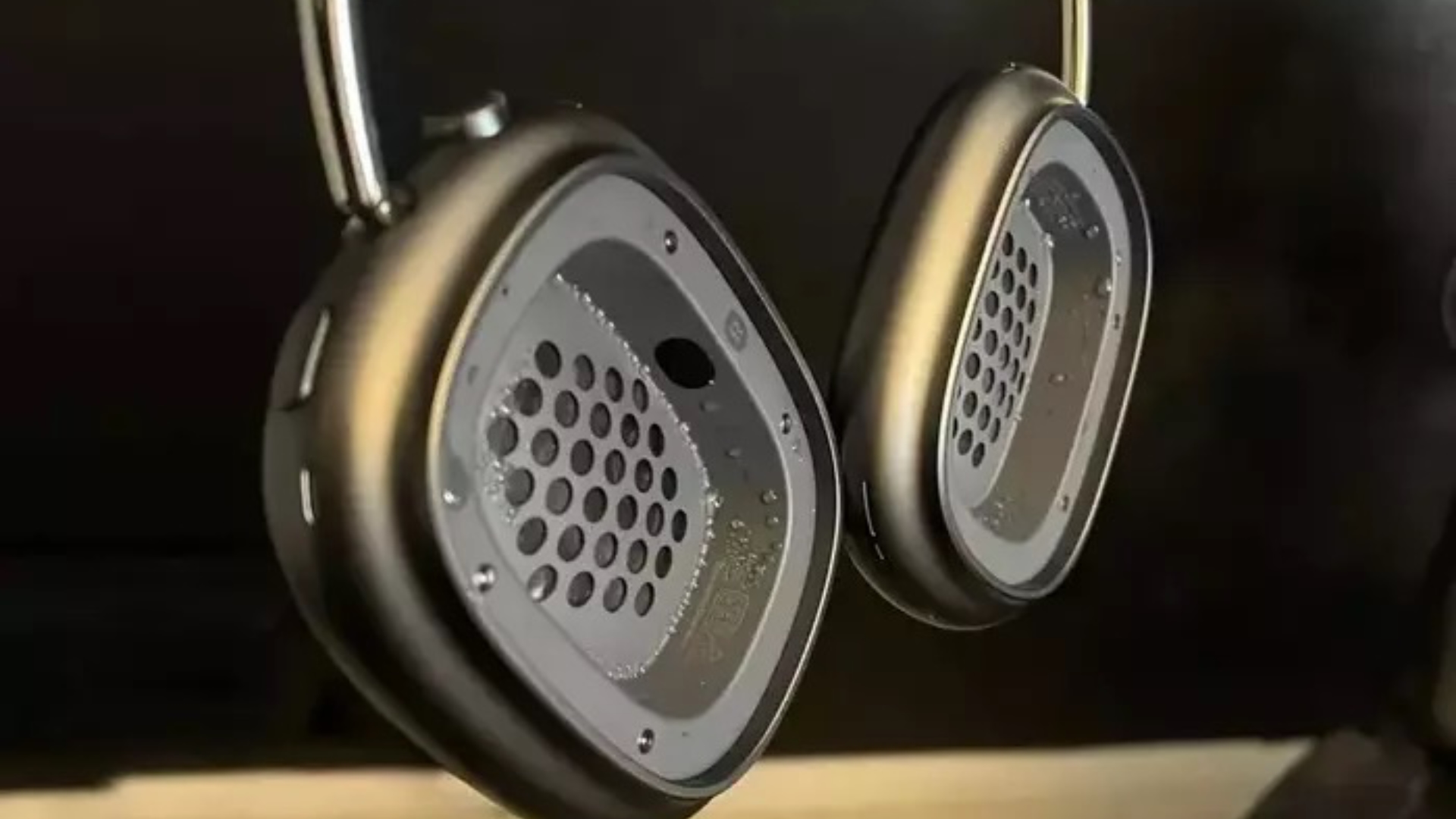
Filed in April 2025 by two plaintiffs, the suit alleges that condensation builds up inside the AirPods Max ear cups during normal indoor use, which can degrade sound, break ear detection and active noise cancellation, and interfere with charging.
From the 24-page order:
On April 9, 2021, while residing in New York, Plaintiff Apicella ordered AirPods Max headphones and AppleCare+ through Apple’s website. Upon receiving and using his AirPods Max, Plaintiff Arthur Apicella “noticed excessive condensation in his AirPods Max ear cups while watching a movie,” and his AirPods Max “generate[d] condensation in the ear cups every time he used them, often after only about 15 minutes of use.”
On May 23, 2021, while residing in Washington, Plaintiff Dustin Amundson purchased AirPods Max headphones and AppleCare. Shortly after purchasing them, Plaintiff Amundson “noticed excessive condensation in his AirPods Max ear cups while performing every day tasks, indoors, at home,” and they “generate[d] condensation in the ear cups every time he use[d] them.”
Plaintiffs allege that they “are unable to use their AirPods Max to enjoy ‘exhilarating high-fidelity audio’ . . . or the supposed ‘[s]patial audio with dynamic head tracking [giving them] a theater-like experience for movies and shows, with sound that surrounds [them.]'” Instead, they experience switches in connection between their devices, pauses in connectivity or sound quality, failure to connect to wireless networks “with increasing frequency as the condensation worsens,” and “failure to maintain its battery charge” for the advertised 20 hours.
Both plaintiffs claim that Apple knew about the problem as early as 2018, but stayed quiet.
However, in an order issued on Monday, Judge Orelia E. Merchant of the Eastern District of New York dismissed every claim brought under New York law with prejudice. She found that the state’s implied warranty of merchantability asks only that a product meet “a minimal level of quality,” not that it needs to be perfect. She also noted that one plaintiff had successfully used his AirPods Max to watch a movie.
The New York resident was dropped from the case entirely, while the Washington state resident may still proceed with two claims under Washington law and the federal Magnuson-Moss Warranty Act.
The AirPods Max condensation phenomenon is fairly well-known at this point. Condensation frequently forms where warm body heat meets the cooler aluminum ear cups. Owners began reporting condensation soon after the headphones launched in December 2020. By 2023, the issue was sometimes referred to as “condensation death” following reports that some headphones had stopped working due to the accumulation of liquid.
Whether the phenomenon is the direct cause of reported faults has never been firmly established. Many owners experience condensation build-up inside the cans with apparently no ill effects, and there haven’t been waves of water-damaged units flooding the repair market. Apple’s AirPods Max 2, launched in March this year, have the same ear cup design as the original model, and condensation has been reported in them as well.
The New York case is actually the second AirPods Max condensation class action to flounder. An earlier California case filed in February 2021 never reached the class-wide stage because the lead plaintiffs settled their individual claims with Apple and both parties moved to dismiss.
Notably, Apple has not conceded the headphones have an inherent defect in either case. In its California court filing, the company argued that moisture is more noticeable on AirPods Max simply because the ear cups are magnetic and removable, and pointed to its own guidance that the headphones “aren’t waterproof or water resistant.”
This article, “AirPods Max Condensation Lawsuit Largely Dismissed by NY Judge” first appeared on MacRumors.com
Discuss this article in our forums