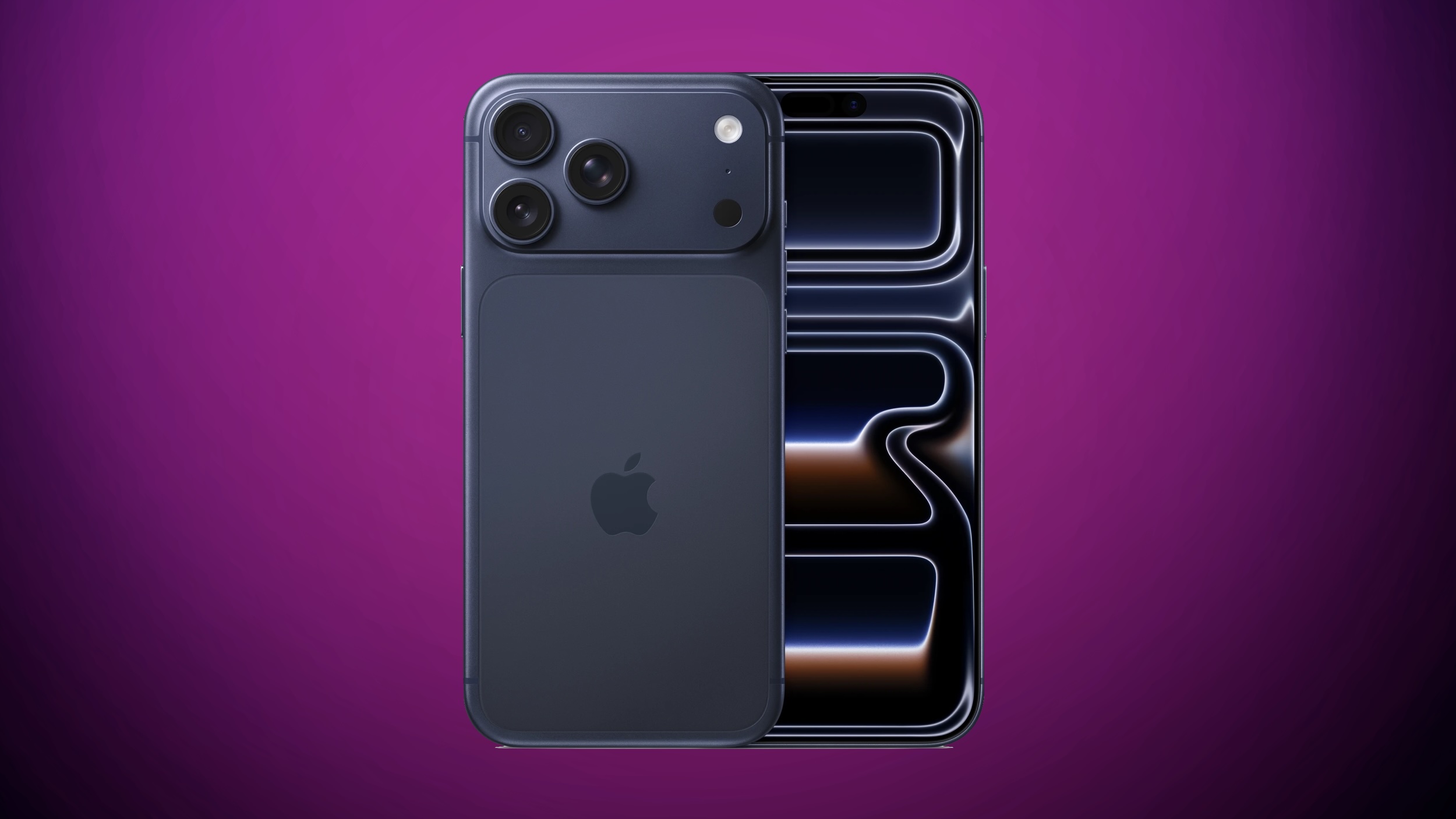
Kuo says that Apple negotiates memory prices with suppliers on a quarterly basis, so price increases are expected in the second quarter of 2026. The upcoming price hike will be similar to the first quarter increase that has already seen Apple paying more for memory. Estimates suggest that prices are up 10 to 25 percent compared to last year.
The higher memory cost will impact the iPhone‘s gross margins, but Apple is in a position to establish deals to get a steady supply, and it is able to absorb some of the increased cost. From Kuo:
For most non-AI brands, even if you’re willing to pay up, there’s no guarantee you’ll get the supply. The fact that Apple can lock in a deal like this shows just how much leverage they have.
Higher memory costs will hit iPhone gross margins. But Apple’s playbook is clear: use the market chaos to their advantage–secure the chips, absorb the costs, and grab more market share. They’ll make it back later on the services side.
Apple may need to address memory price increases during the January 30 earnings call covering the first fiscal quarter of 2026 (October to December 2025). Kuo expects that Apple will avoid raising prices “as much as possible,” and that at least the starting price of the iPhone 18 models will be flat.
Apple has previously absorbed component costs, and was able to keep iPhone 17 pricing relatively steady. The base iPhone 17 model did not go up in price and still starts at $799, though Apple did start charging $100 more for the iPhone 17 Pro because of the new 256GB minimum storage.
Components other than memory could also be in short supply in the coming months, leading to further supply chain issues that could force price increases. LPDDR and NAND are currently facing shortages and higher prices because of demand from the AI industry. Chip manufacturers are prioritizing advanced memory for AI servers over the memory used in smartphones, and there has been speculation that the memory price increase will cause smartphone costs to rise across multiple brands.
This article, “Apple to Keep iPhone 18 Starting Price Steady Despite Rising Memory Costs” first appeared on MacRumors.com
Discuss this article in our forums