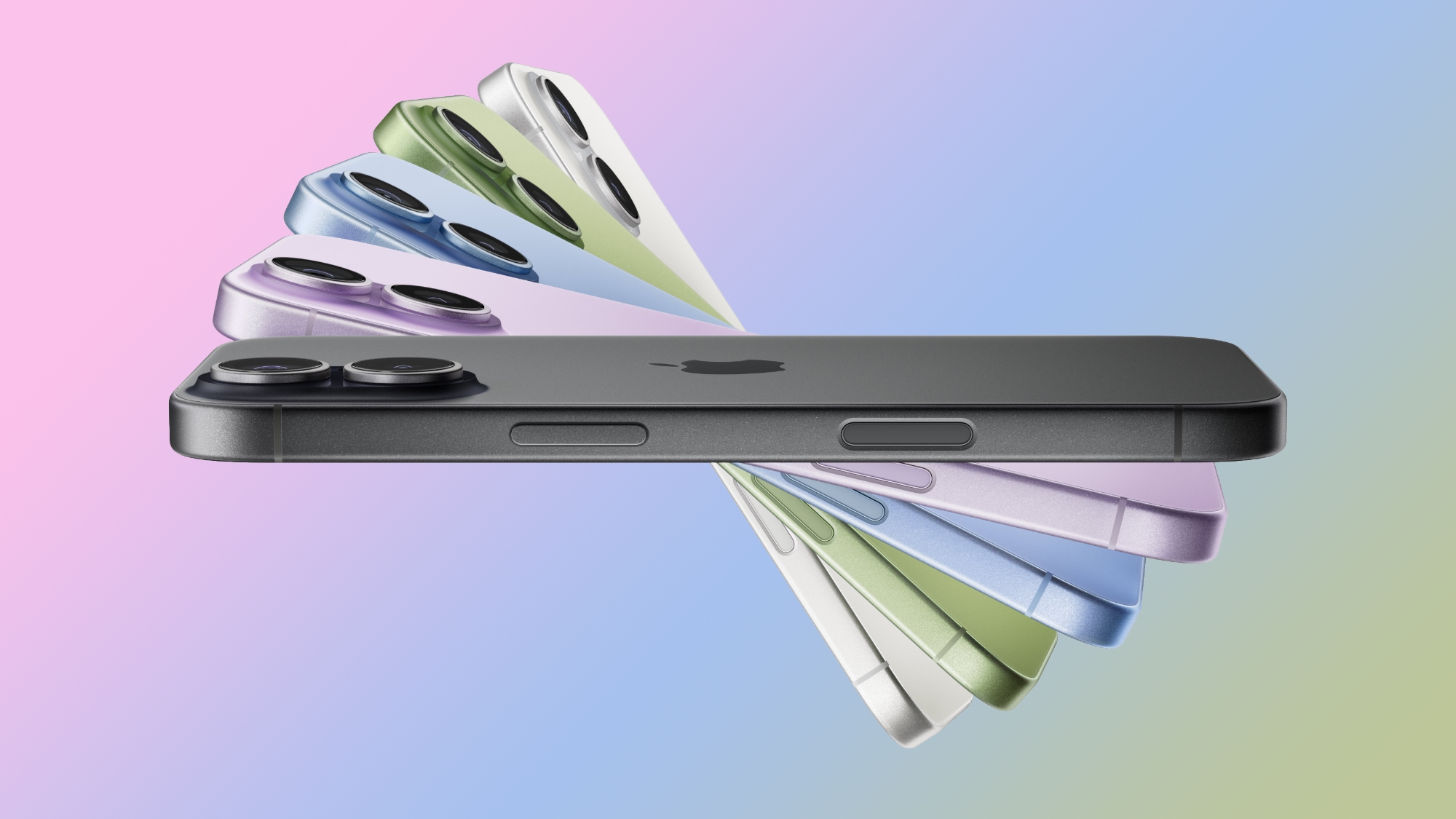
IDC says that the global memory supply has been drained into next year, putting smartphone makers in a tough spot. Prices have spiked because there’s not enough memory to meet production needs, which will cause a smartphone market “crisis like no other.”
Smartphone makers are expected to ship 1.1 billion devices in 2026, down from 1.26 billion in 2025.
“The tariffs and pandemic crisis seem a joke compared to this,” said IDC Senior Research Director Nabila Popal. “The smartphone market will witness a seismic shift by the time this crisis is over — in size, average selling prices and competitive landscape. We don’t expect the situation to ease up until mid-2027, at least.”
Cheap Android smartphones will be impacted most heavily by increasing DRAM costs, but Apple is well-positioned to avoid major impact because it focuses on more expensive, premium devices. Apple has more profit margin to work with and is better able to secure available DRAM supply.
Apple is expected to absorb higher memory costs in the short term, but it isn’t unaffected by the shortages. Just today, a report suggested Apple is paying Samsung twice as much for the LPDDR5X memory chips that it needs for producing iPhone 17 models.
During Apple’s January earnings call, Apple CEO Tim Cook said that memory price increases had a “minimal impact” on Apple’s gross margin during the 2025 holiday quarter, but the company is expecting a “bit more of an impact” during the first calendar quarter of 2026.
IDC says that even when the DRAM shortage is resolved, memory prices are not expected to return to 2025 levels, so there could be a permanent shift toward higher-priced smartphones.
This article, “DRAM Shortage Will Cause ‘Seismic Shift’ in Smartphone Market, But Apple Will Be Less Affected” first appeared on MacRumors.com
Discuss this article in our forums