
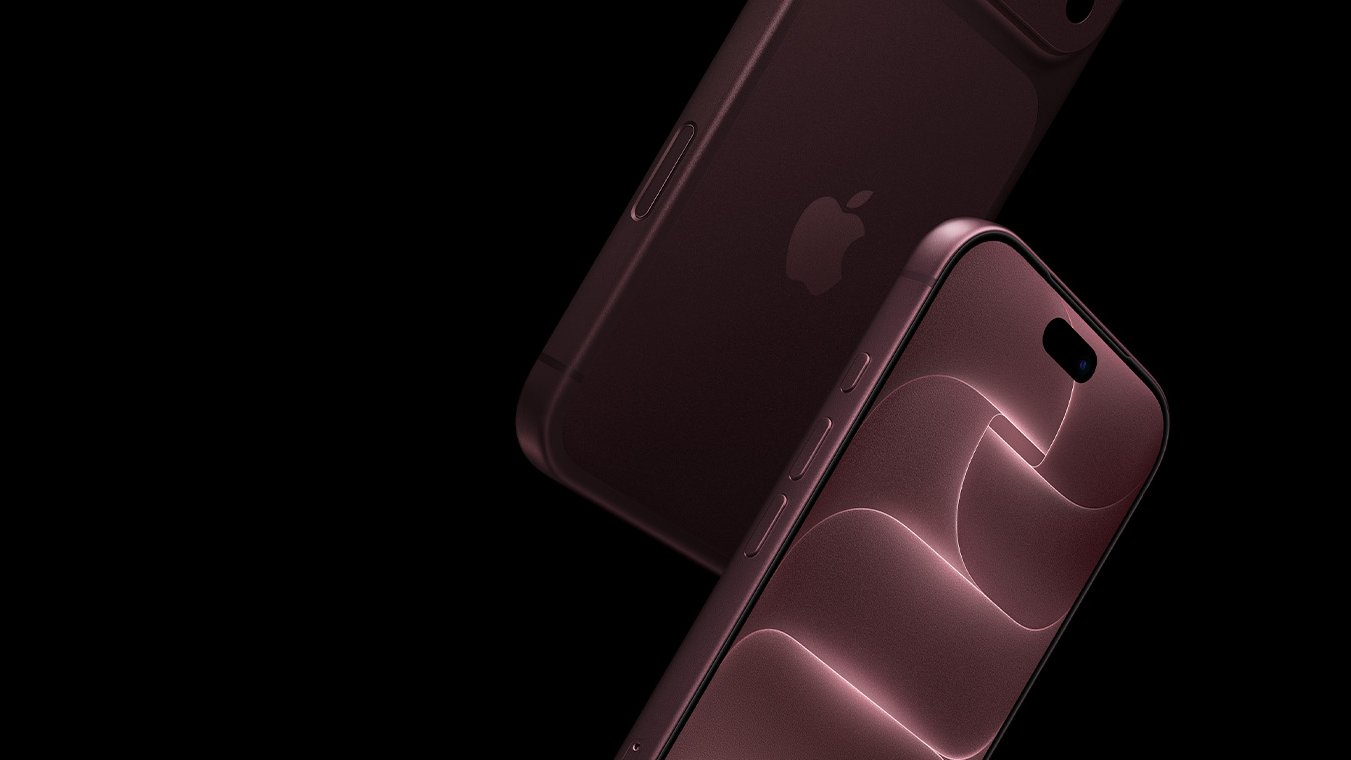
According to Apple, the iPhone 18 Pro and iPhone 18 Pro Max support eSIMs only in these countries and regions:
- Bahrain
- Canada
- Guam
- Japan
- Kuwait
- Mexico
- Oman
- Qatar
- Saudi Arabia
- United Arab Emirates
- United States
- U.S. Virgin Islands
iPhone 17 Pro models are eSIM-only in the same countries, so there is no change this year.
iPhone 18 Pro models continue to have a tray for a physical SIM card in all other countries around the world, including in the U.K. and the rest of Europe.
If you are unaware, an eSIM is essentially a digital version of a SIM card.
Apple says eSIM-only iPhone models are equipped with a larger battery that fills the space formerly occupied by the physical SIM card tray. Earlier today, we reported on the iPhone 18 Pro and iPhone 18 Pro Max battery capacities listed on EU regulatory labels, but note that these figures are for models that still have a SIM card tray.
Apple started phasing out SIM cards starting with the iPhone 14 series, in the U.S. only at first.
iPhone 18 Pro and iPhone 18 Pro Max models sold in European countries, Australia, New Zealand, Singapore, South Korea, and elsewhere still have nano-SIM card trays alongside eSIM support. In China, the devices support one of the following combinations: two nano-SIM cards, one nano-SIM card and one eSIM, or two eSIMs.
iPhone Duo features an eSIM-only design worldwide.
When the iPhone 14 series launched in 2022, Apple promoted eSIMs as being more secure than physical SIM cards, as they cannot be removed from an iPhone that is lost or stolen. In addition, at least eight eSIMs can be managed on an iPhone at once, eliminating the need to obtain, carry, and swap SIM cards while traveling.
This article, “iPhone 18 Pro is eSIM-Only in These Countries” first appeared on MacRumors.com
Discuss this article in our forums