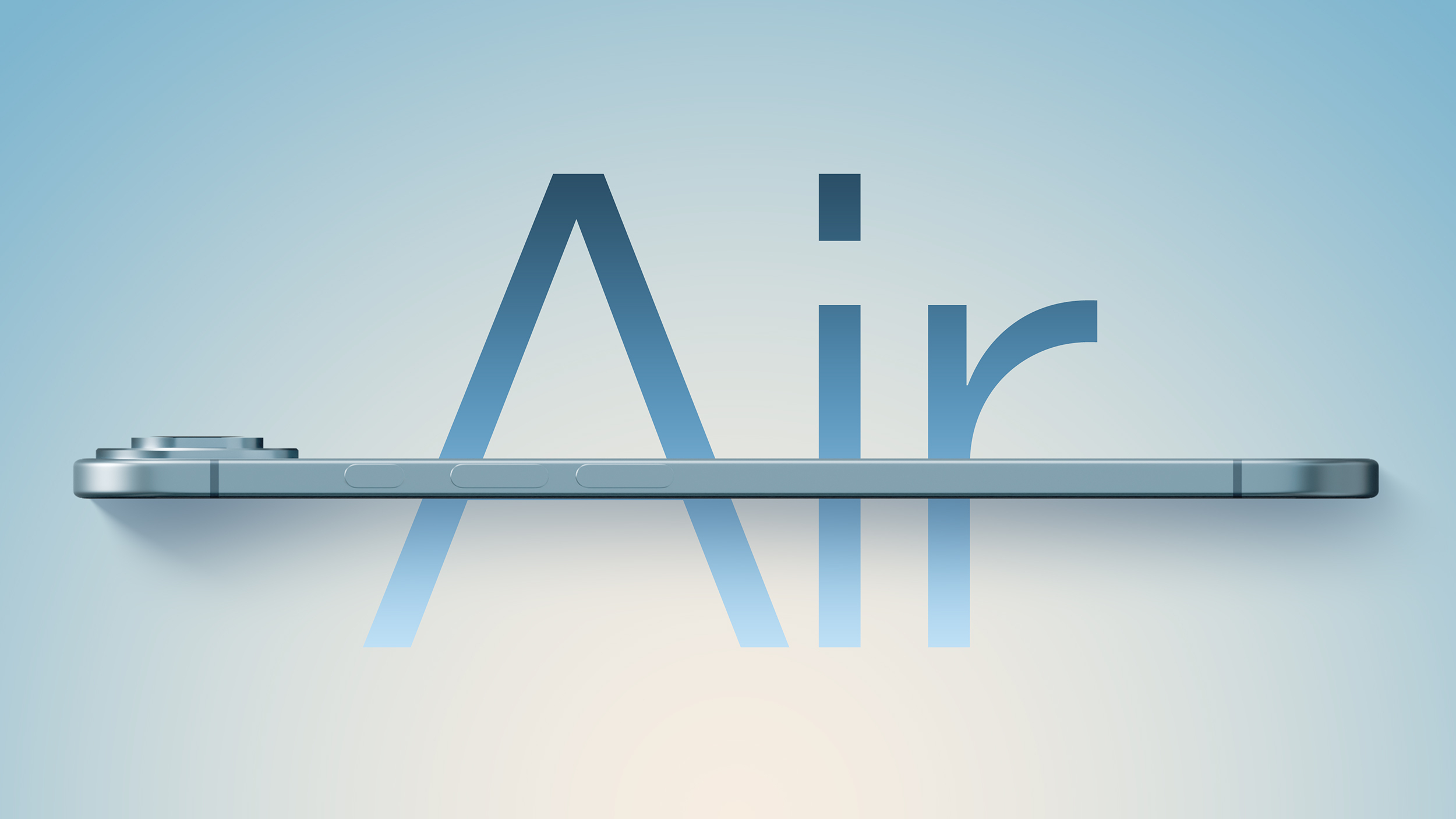
Crowdsourced Speedtest data published by Ookla suggests the iPhone Air captured 6.8 percent of iPhone 17 generation samples in the U.S. during the fourth quarter of 2025, up from the 2.9 percent share the iPhone 16 Plus managed in the same launch window a year earlier.
However, the gains seem to have come at the iPhone 17 Pro’s expense. The latter model’s share fell from 34.9 percent to 30.6 percent year over year, while the iPhone 17 Pro Max remained essentially flat at 55.5 percent. The figures suggest that roughly 4 percent of buyers were willing to trade the better camera and processing power of the smaller iPhone 17 Pro model for the Air’s thinner chassis.
Apple has had several attempts at making a differentiated fourth iPhone model work. The iPhone mini under-performed over two iterations, while the iPhone 14/15/16 Plus – with its larger screen but without the Pro Max’s premium features – fared worse, and neither carved out anything more than a niche fan base. In contrast, the iPhone Air has done what those models couldn’t, at least in its opening months of availability.
Based on Ookla’s data, adoption of Apple’s ultra-thin device was even stronger abroad, with the Air taking 11.2 percent share in South Korea, 8.9 percent in Japan, and 8.4 percent in Singapore.
Separately, Ookla’s testing found that Apple’s in-house C1X modem in the iPhone Air has reached effective download parity with the Qualcomm X80 in the iPhone 17 Pro Max, and beat it on latency in 19 of 22 analyzed markets. Upload speeds are still Qualcomm’s advantage, however, with the X80 holding up to a 32 percent lead in some regions – a gap Ookla attributes to more mature Uplink Carrier Aggregation (UL-CA).
For all the details, check out Ookla’s full report.
This article, “iPhone Air Said to Be Roughly Twice as Popular as iPhone 16 Plus” first appeared on MacRumors.com
Discuss this article in our forums