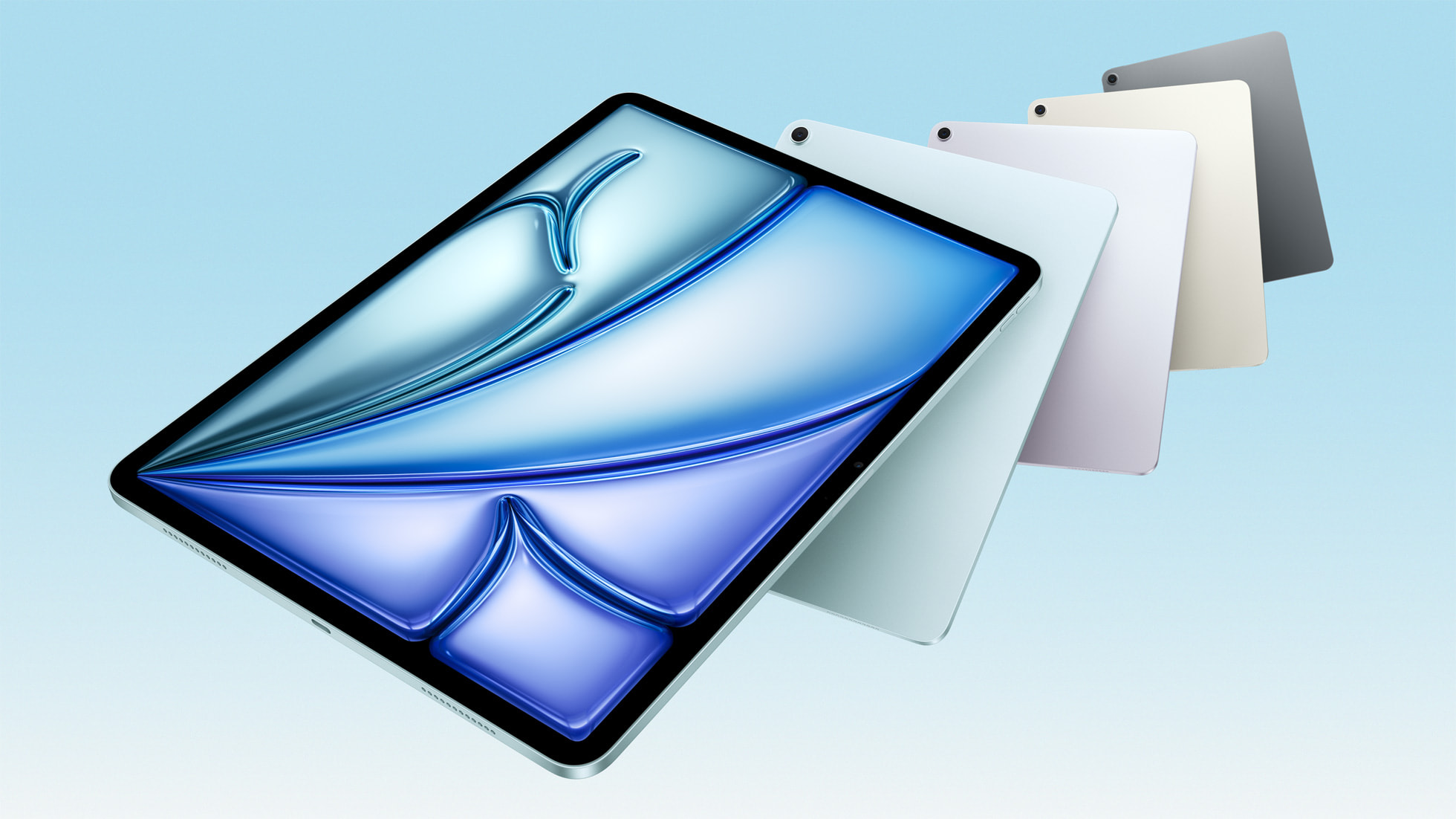
The eighth-generation iPad Air builds on the foundation of last year’s model with a series of specific upgrades focused on performance, memory, and connectivity. While the overall design and experience remains the same, the newer model introduces Apple’s M4 chip, additional unified memory, Apple-designed wireless hardware, and support for newer connectivity standards. Here’s everything that differs between the 2025 and 2026 iPad Air models:
| iPad Air (seventh-generation, 2025) | iPad Air (eighth-generation, 2026) |
|---|---|
| M3 chip | M4 chip |
| 8GB unified memory | 12GB unified memory |
| Broadcom wireless chip | Apple N1 wireless chip |
| Wi-Fi 6E connectivity | Wi-Fi 7 connectivity |
| Bluetooth 5.3 connectivity | Bluetooth 6 connectivity |
| Qualcomm SDX70M 5G modem | Apple C1X modem |
The largest change between the two models is the transition from Apple’s M3 chip to the newer M4 chip. Beyond modest CPU performance gains, the M4 introduces architectural improvements that increase transistor count, boost machine learning performance, improve memory bandwidth, and enhance efficiency through updated fabrication technology and redesigned cores.
| M3 Chip | M4 Chip |
|---|---|
| Made using TSMC’s 3nm technology (N3) | Made using TSMC’s enhanced 3nm technology (N3E) |
| Based on iPhone 15 Pro’s A17 Pro chip (2023) | Based on iPhone 16‘s A18 chip (2024) |
| 25 billion transistors | 28 billion transistors (+12%) |
| 8-core CPU (4 performance + 4 efficiency cores) |
8-core CPU (3 performance + 5 efficiency cores) |
| 4.05 GHz CPU clock speed | 4.3 GHz CPU clock speed |
| 16-core Neural Engine, 18 trillion operations per second | 16-core Neural Engine, 38 trillion operations per second (+111%) |
| LPDDR5 memory | LPDDR5X memory |
| 100 GB/s memory bandwidth | 120 GB/s memory bandwidth (+20%) |
| Dedicated display engine | |
| GPU with standard power efficiency | More power-efficient GPU: Maintains performance with significantly less power |
Overall, the upgrade from the 2025 iPad Air to the 2026 iPad Air is minor. The new model introduces a faster M4 chip, more unified memory, and newer wireless technologies, but the broader experience remains fundamentally unchanged in any noticeable way.
Apple itself signals how incremental the update is: the company continues to advertise the same battery life, despite the introduction of the more efficient C1X modem, and the device retains identical color options and even the same marketing wallpapers. For the overwhelming majority of iPad Air users, the performance difference between the two models is likely to be negligible, especially for everyday tasks.
The new iPad Air is primarily aimed at buyers who simply want a capable, well-balanced iPad rather than those seeking a major upgrade from a more recent model. The Air continues to occupy the middle ground in Apple’s lineup, offering significantly more power and capability than the entry-level iPad while remaining substantially less expensive than the iPad Pro. The transition to the M4 chip, additional memory, and newer connectivity standards like Wi-Fi 7 means that new buyers receive more modern hardware and longer-term headroom, making the device somewhat more future-proof.
For existing users, however, there is little reason to upgrade. Anyone using an M3-based iPad Air will see minimal real-world benefits from moving to the M4 model, and even owners of M1 or M2 versions are unlikely to experience transformative improvements in typical use. Instead, the update simply ensures that customers purchasing a new iPad Air today receive Apple’s newer underlying technology in a familiar package.
This article, “M3 vs. M4 iPad Air Buyer’s Guide: All Differences Compared” first appeared on MacRumors.com
Discuss this article in our forums