
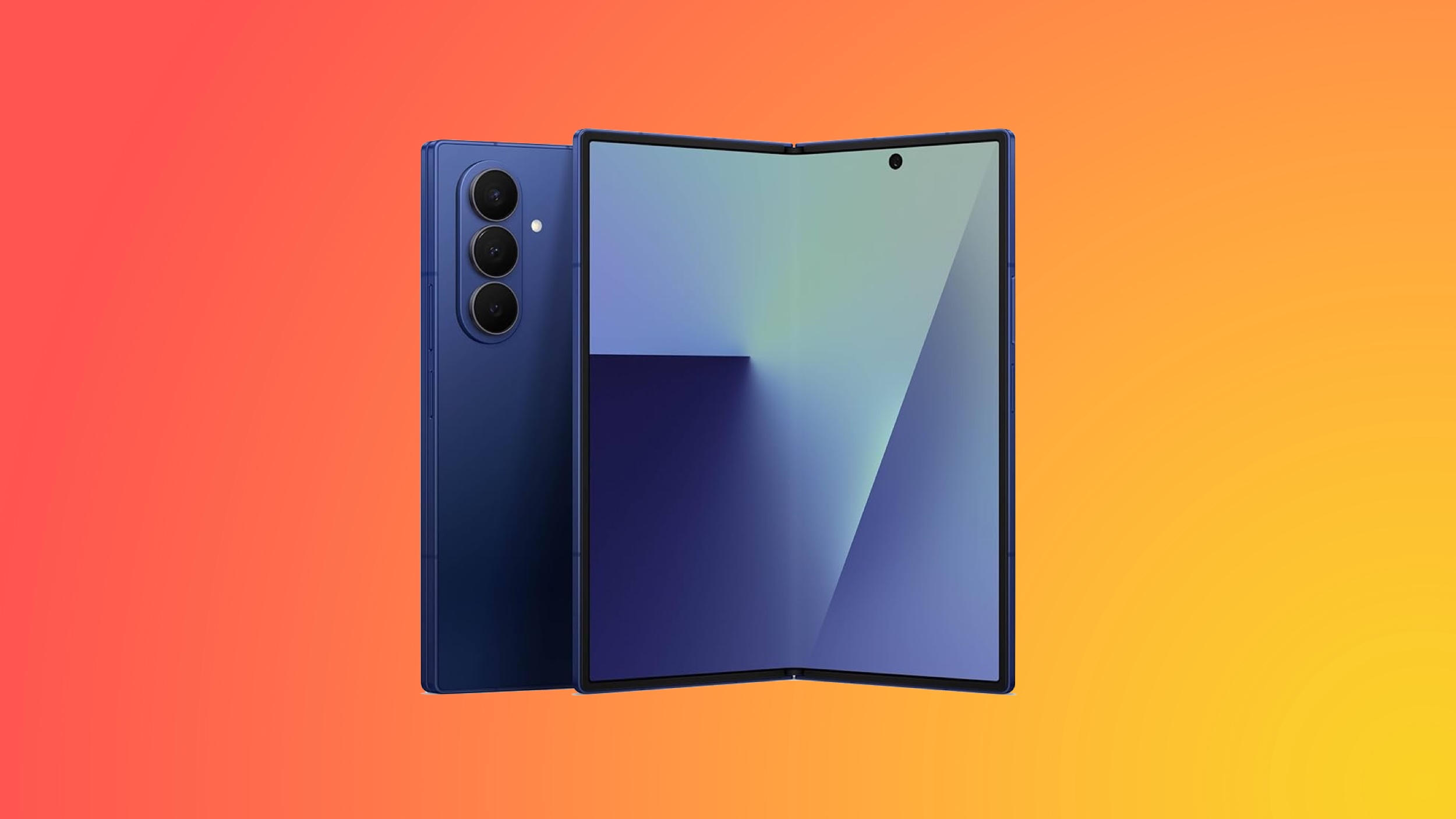
As shared by PhoneArena, the 512GB Galaxy Z Flip increased by $80 from $1,219.99 to $1,299.99, while the S25 Edge and S25 FE went up $80 and $40, respectively. Samsung did not increase the cost of its current-generation S26 smartphones because those were priced higher than the prior-generation models from launch, but the company did also increase the cost of the 512GB and 1TB Galaxy Z Fold 7 earlier this month.
Samsung’s tablet prices increased for the full U.S. lineup, including the latest Galaxy Tab S11 and the Galaxy Tab S11 Ultra models. The base models are $100 more expensive at $900 for the S11 and $1,299 for the S11 Ultra, while higher-end models went up even more. The 1TB S11 Ultra is now $1,899.99, which is a $280 increase.
Samsung didn’t comment on the price increase, but the quiet price hike suggests that Samsung is going to need to charge more for upcoming devices that are coming out later this year.
As a major smartphone manufacturer, Samsung has not been able to weather rising costs without raising prices, and that could be a sign that Apple’s upcoming devices could also be more expensive than they would have been without hardware shortages.
The MacBook Air and MacBook Pro models that came out earlier this year are more expensive than their predecessors, though Apple increased storage to justify the price hike.
Apple already removed the 512GB RAM upgrade for the Mac Studio, and started charging $400 more for the 256GB RAM upgrade. Apple also recently stopped accepting orders for some Mac Studio and Mac mini configurations with higher amounts of RAM. For machines still in stock, shipping times are extraordinarily high.
Hardware makers like Apple are dealing with high demand for memory and storage, which has been caused by demand from artificial intelligence data centers. Manufacturers are prioritizing AI chip production over chips designed for consumer products because large data center contracts are more profitable. Chipmakers like Samsung, TSMC, and SK Hynix are unable to keep up with demand even while operating at full capacity, and the lack of supply mixed with rising demand has led to price hikes.
During Apple’s January earnings call, Tim Cook said that memory costs didn’t impact the company’s gross margin in the first fiscal quarter of the year, but would have a “bit more of an impact” during the second fiscal quarter. Apple is set to hold its Q2 earnings call on April 30.
Cook said that Apple is looking at a “range of options” to deal with rising prices over the long term if needed, and Apple is seeking supplier price cuts in other areas to offset the increase. Apple apparently agreed to pay Samsung twice as much for LPDDR5X memory chips for ongoing iPhone 17 production.
Apple analyst Ming-Chi Kuo said in January that he expects Apple to keep iPhone 18 starting prices flat despite having to pay more for components. He said Apple could absorb the costs to gain market share, and make up some of the money on its services side. Apple plans to launch a new foldable iPhone this year, and its rumored $2,000+ price tag could also pad Apple’s margins.
Apple has been planning M5 updates for the Mac Studio and the Mac mini, and it is unknown how the memory shortages and long shipping times for current machines will impact those plans.
This article, “Samsung’s U.S. Price Increases Add to Concerns About Rising Apple Device Costs” first appeared on MacRumors.com
Discuss this article in our forums